In many malaria-affected regions, there is a rise in incidences of mutant P. falciparum parasites, which means the pfHRP2 and pfHRP3 genes have been entirely deleted from the parasite's genetic code and the parasite cannot produce the HRP2 or HRP3 proteins.
When a person is infected with one of these mutant parasites, the most commonly used HRP2-based RDTs fail to detect the target HRP2 protein and have mistakenly shown a negative result.
Pf HRP2 and Pf HRP3 gene deletion phenomenon
Plasmodium falciparum (Pf) infection produces histidine-rich protein 2 and Pf HRP 3 (Pf HRP2/3) that accumulate to high levels in the bloodstream and serve as a diagnostic marker for falciparum malaria. In certain cases, a sudden mutation has been observed in P. falciparum parasites where the gene responsible for producing Pf HRP 2 and/or Pf HRP 3, during their erythrocytic schizogony phase, is deleted.This genetic variation and deletion of PfHRP2 and PfHRP3 amino acid sequence results in either no release or very low release of Pf HRP2 protein during infection.
Possible causes of gene deletion
Uncontrolled antimalarial medicine use: The use of certain antimalarial drugs, such as artemisinin combination drug (ACTs) excessively, can exert selective pressure on the parasite. This can lead to the emergence of drug-resistant strains, including those with HRP2/3 gene deletions.
Immune selection: The immune response can target specific antigens, including the HRP2 and HRP3 proteins encoded by the HRP2/3 gene. This immune pressure may drive the mutation in parasites that have deleted the HRP2/3 gene to evade detection by the host immune system.
Genetic recombination: Plasmodium parasites have a high rate of genetic recombination, and can lead to the exchange of genetic material between different parasite strains. This recombination can result in the acquisition of HRP2/3 gene deletions from other parasite strains.
Sudden alteration of biology: This genetic mutation could be due to altered parasite biology, allowing the parasite to replicate more efficiently and survive in the host.
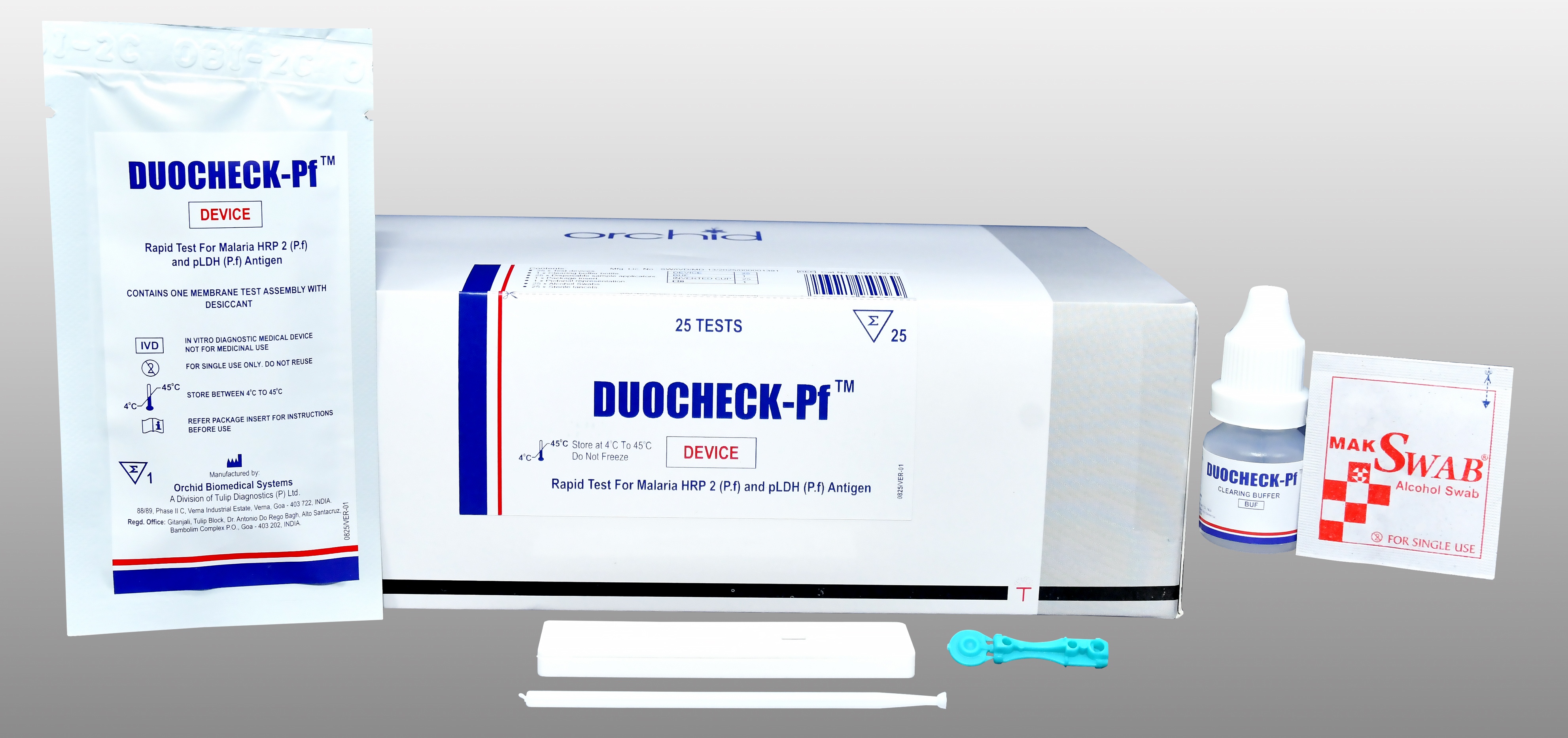
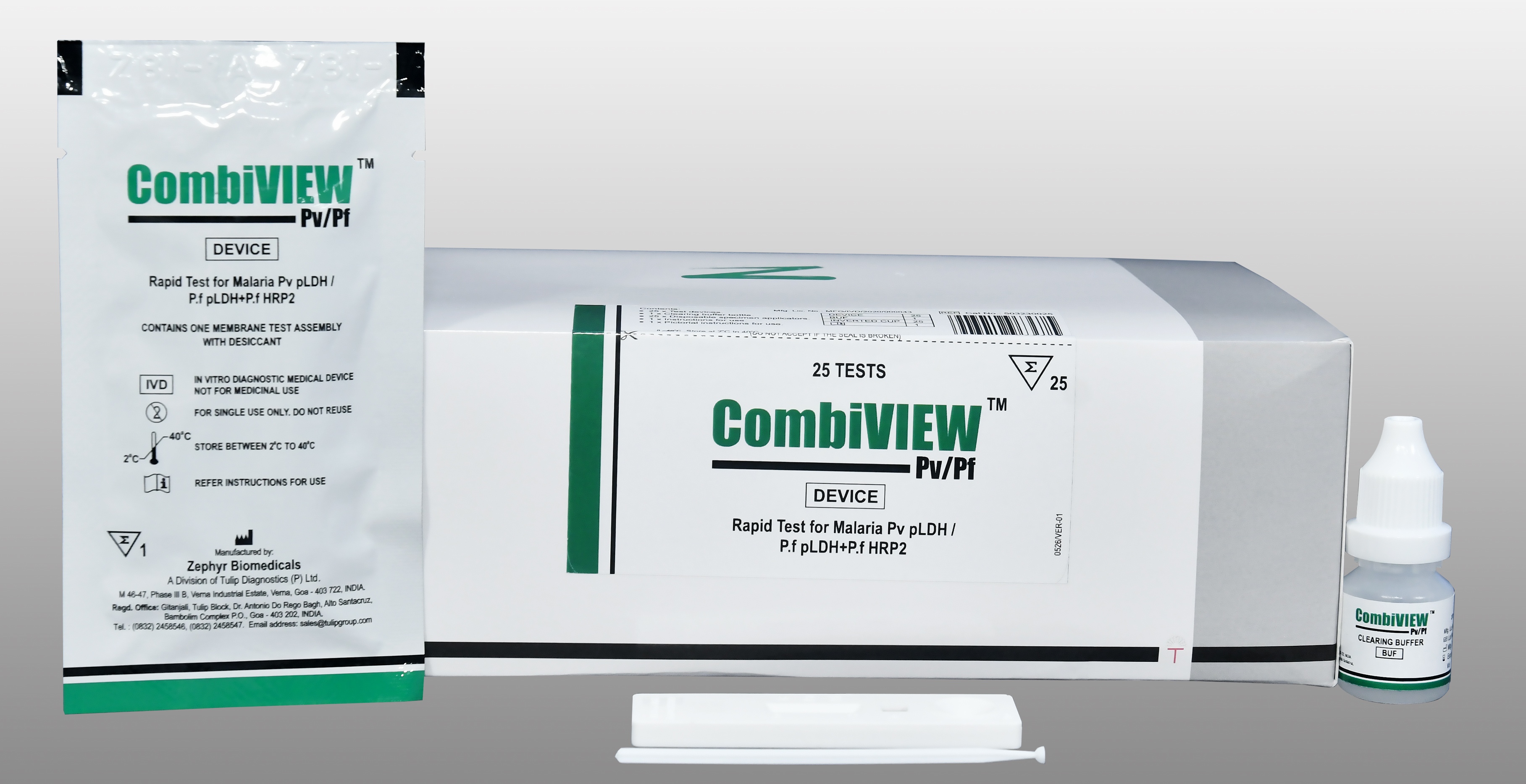
Our innovative approach - Introduction of two innovative RDTs
We are very happy to inform you all that, we are the first Indian manufacturer who has successfully developed two different Malaria Rapid diagnostic test to counter the above hidden danger of undetected P falciparum, named as below,